
SR-22 With a Probationary License
Free to compare
The DMV Won't Issue Your Probationary License Without SR-22 Proof
You submitted your probationary license application, paid the fee, enrolled in IID, and received conditional approval—then the DMV told you they cannot issue the license until SR-22 proof of insurance appears in their system. You assumed the license came first and insurance followed. The procedural reality is reversed: SR-22 filing must clear state records before DMV issues the physical probationary license credential.
This article clarifies the SR-22 filing sequence for probationary license holders across the six terminology-anchored states—Indiana, Montana, Wyoming, Colorado, Delaware, and New Jersey. Each state enforces different timing windows, different filing submission pathways, and different consequences for delayed SR-22 proof. The path forward depends on where you are procedurally right now: waiting for approval, approved but not yet filed, or filed and waiting for DMV confirmation.
“DMV systems show your probationary license application as pending until SR-22 proof posts—you cannot drive legally on conditional approval alone.”

Find Coverage for a Probationary License
Get My Probationary License Insurance Quote1-5 business days
SR-22 Filing Clearance Window
Carriers submit SR-22 forms electronically to state DMV systems. Most states process and post proof within 1-3 business days; Montana and Wyoming can take up to 5 business days during high-volume periods. Your probationary license issuance is blocked until DMV confirms receipt.
State DMV processing data across IN, MT, WY, CO, DE
SR-22 Is a Filing Requirement, Not an Insurance Product
SR-22 is not a type of insurance. It is a state-mandated proof-of-insurance filing your carrier submits directly to the DMV on your behalf. The filing certifies you carry at least the state's minimum liability limits. The carrier charges a one-time filing fee (typically $15-$50 depending on state and carrier) and submits the SR-22 form electronically. Your probationary license application cannot proceed past conditional approval until this filing posts to DMV records.
New Jersey does not use SR-22. New Jersey Conditional License holders (often called Cinderella License) pay annual DMV surcharges instead—commonly $1,000-$3,000 per year for three years post-DUI. The surcharge replaces the SR-22 filing requirement but serves the same function: proof you are financially responsible. The procedural blocker is identical—DMV will not issue your Conditional License until surcharge payment posts to MVC records.
Indiana, Montana, Wyoming, Colorado, and Delaware all require SR-22 filing before probationary license issuance. The filing period runs three years from the date of conviction, not from the date you file. Delaying your SR-22 filing does not shorten the three-year obligation—it only extends the total time you remain under SR-22 filing status.

DMV systems show your probationary license application as pending until SR-22 proof posts—you cannot drive legally on conditional approval alone.
Related Articles
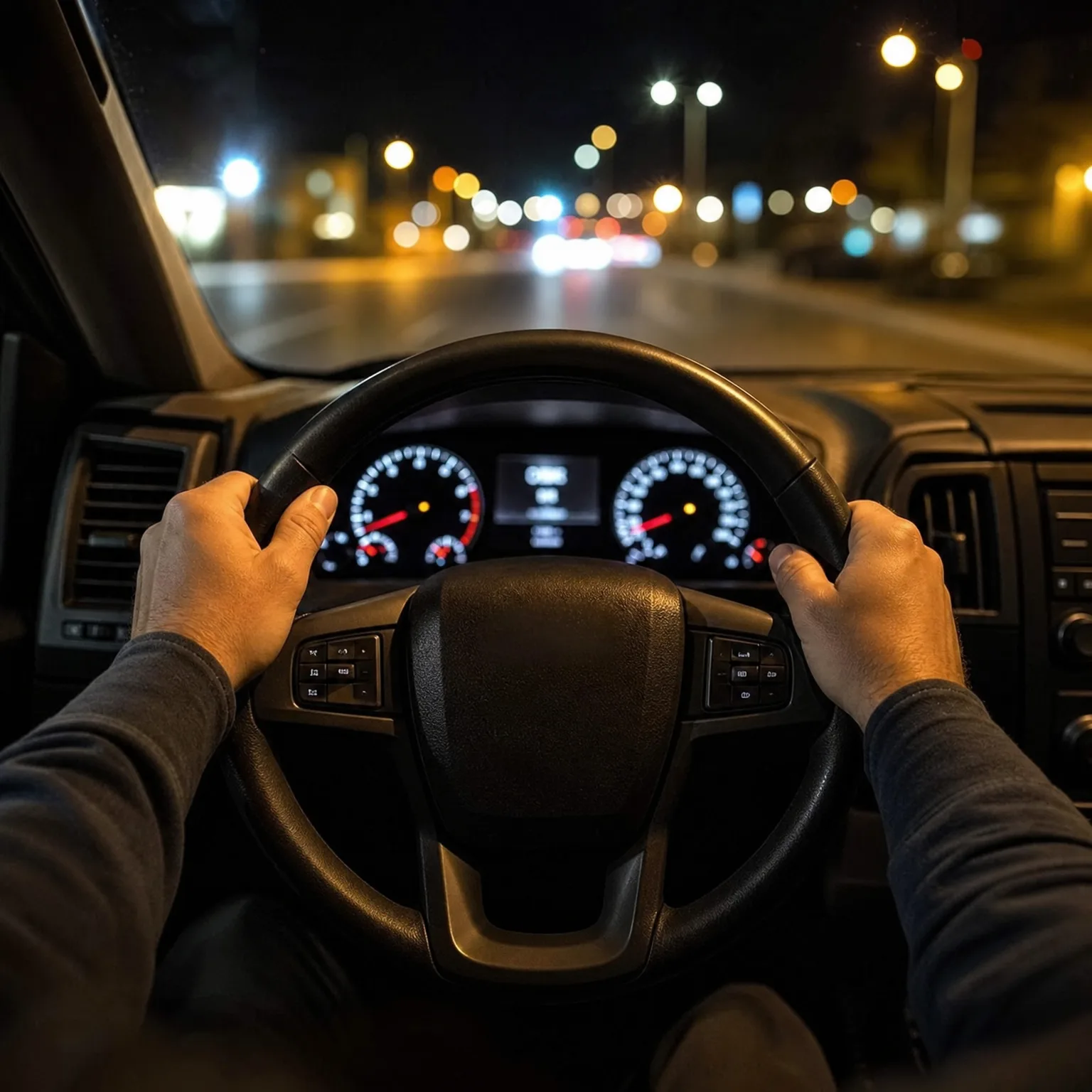

Non-Owner SR-22 Cuts Premium Cost When You Don't Own a Vehicle
If you do not own a vehicle, non-owner SR-22 insurance meets the filing requirement at lower monthly cost than standard liability policies. Non-owner policies provide liability coverage when you drive a vehicle you do not own—rental cars, borrowed vehicles, employer vehicles. The carrier files SR-22 proof with the DMV identical to standard policies, satisfying the probationary license requirement.
Non-owner SR-22 premiums typically range $85-$140/month for probationary license holders, compared to $150-$250/month for standard liability policies on owned vehicles. The savings compounds over the three-year SR-22 filing period. Colorado, Indiana, and Delaware accept non-owner SR-22 for Early Reinstatement and Probationary License programs without restriction. Montana and Wyoming accept non-owner SR-22 but require additional documentation proving you do not have regular access to a household vehicle.
Non-owner SR-22 does not cover vehicles you own. If you purchase or lease a vehicle during your three-year SR-22 period, you must convert to a standard liability policy and notify the carrier immediately. The carrier refiles SR-22 with updated vehicle information. Driving an owned vehicle on non-owner SR-22 coverage voids the policy and triggers automatic SR-22 cancellation notice to the DMV, which suspends your probationary license within 10-30 days depending on state.
$15-$50
SR-22 One-Time Filing Fee
Carriers charge this fee once at policy activation to submit the SR-22 form to the state. The fee is separate from monthly premium. Some carriers waive the fee as a promotional offer but price it into higher monthly premiums instead.
Non-standard carrier filings across IN, MT, WY, CO, DE

Lapsed SR-22 Revokes Your Probationary License Automatically
If your insurance policy lapses for non-payment or cancellation, the carrier notifies the DMV within 24-72 hours. The DMV automatically suspends your probationary license. Most states provide no grace period—the suspension is immediate upon carrier notification. Colorado allows a 10-day cure window if you reinstate the policy and the carrier refiles SR-22 proof before the suspension posts. Indiana, Montana, Wyoming, and Delaware enforce immediate suspension with no cure period.
To reinstate after lapsed SR-22, you must purchase a new policy, pay the SR-22 filing fee again, wait for the new filing to clear DMV records, and pay a reinstatement fee (typically $50-$125 depending on state). The three-year SR-22 filing period does not reset—it continues from your original conviction date. Lapsing SR-22 mid-period extends the total time you pay elevated premiums because you restart the monthly payment cycle with a new policy at new rates.
Compare SR-22 Carriers Before Filing
SR-22 premiums vary widely by carrier even for identical coverage. Non-standard carriers price DUI risk differently—some specialize in first-offense DUI, others in multiple violations, others in young drivers with probationary licenses. Request quotes from at least three carriers licensed in your state. Verify each carrier files SR-22 electronically (some smaller regional carriers still file paper forms, which delay DMV processing by 7-14 days).
Monthly premium is the primary cost driver over three years, not the one-time filing fee. A carrier charging $25 filing fee with $180/month premium costs $6,505 total over three years. A carrier charging $50 filing fee with $120/month premium costs $4,370 total. The lower monthly rate saves $2,135 despite the higher filing fee. Calculate total three-year cost before committing. Use this site's comparison tool to request quotes from carriers offering same-day SR-22 filing and monthly payment plans for probationary license holders.
How to File SR-22 Before Probationary License Issuance
Contact carriers licensed in your state that specialize in non-standard auto insurance or SR-22 filing. Standard-tier carriers (State Farm, Allstate, GEICO) often decline probationary license applicants at underwriting even after quoting. Non-standard carriers price DUI risk upfront and file SR-22 without underwriting rejection. Request a quote explicitly stating you need SR-22 filing for probationary license eligibility. The carrier quotes monthly premium, adds the one-time SR-22 filing fee, and requires first-month payment before submitting the form.
Once you pay the first month's premium and filing fee, the carrier submits the SR-22 form electronically to your state DMV. Indiana submits through BMV systems; Montana through MVD; Wyoming through DOT; Colorado through DOR; Delaware through DMV. Processing takes 1-5 business days. You receive a copy of the filed SR-22 form from the carrier, but the DMV does not notify you when the filing posts—you must check your DMV account online or call the suspension unit directly to confirm clearance before attempting probationary license pickup.
Get Your Free Quote
Get My Probationary License Insurance QuoteFrequently Asked Questions
Can I get a probationary license without SR-22 insurance?
No, in Indiana, Montana, Wyoming, Colorado, and Delaware. SR-22 filing is a mandatory eligibility requirement for probationary license approval. New Jersey does not use SR-22 but requires annual DMV surcharge payment before issuing the Conditional License. You cannot bypass the filing or surcharge requirement.
How long does SR-22 filing take to clear the DMV?
SR-22 filings clear DMV records in 1-3 business days for most states. Montana and Wyoming can take up to 5 business days during high-volume periods. Your probationary license application remains in pending status until the filing posts.
Does non-owner SR-22 satisfy probationary license requirements?
Yes. Non-owner SR-22 policies meet the filing requirement in all probationary-license states when you do not own a vehicle. Montana and Wyoming require additional documentation proving you lack regular access to a household vehicle. Premiums for non-owner SR-22 typically run $85-$140/month compared to $150-$250/month for standard policies.
What happens if my SR-22 insurance lapses during my probationary license period?
The carrier notifies the DMV within 24-72 hours and your probationary license is automatically suspended. Colorado allows a 10-day cure window; other states enforce immediate suspension. Reinstatement requires purchasing a new policy, refiling SR-22, and paying a reinstatement fee of $50-$125 depending on state.
Does the SR-22 filing fee renew every year?
No. The SR-22 filing fee is a one-time charge when the carrier first submits the form. You pay monthly premiums for three years but the filing fee only applies once at policy activation. If your policy lapses and you refile with a new carrier, you pay the filing fee again.
Can I file SR-22 myself directly with the DMV?
No. SR-22 filings must be submitted by a licensed auto insurance carrier authorized to write policies in your state. You cannot file the form independently. The carrier files electronically on your behalf after you purchase a policy.