
Interlock Requirement for Conditional License — Delaware
Free to compare
Delaware Conditional License Approval Does Not Mean You Can Drive
You received notice that your Delaware Conditional License application was approved by the DMV. You scheduled the ignition interlock installation for three weeks from today because that was the earliest appointment the vendor offered. You assumed approval meant legal driving authority, and you drove to work the next day. The traffic stop for an unrelated minor violation just triggered a new charge: operating under suspension while your license is already suspended for DUI.
Delaware's Conditional License structure splits approval from authorization. The DMV approves your application and notifies you of eligibility. The ignition interlock device must be installed and calibrated before you are legally authorized to drive under that Conditional License. Between approval and installation, you are still suspended. Most drivers miss this sequencing gap because the approval letter does not state the install-first requirement explicitly.
“Delaware approval letters confirm eligibility but do not authorize driving — the IID certificate must reach DMV before you operate legally.”

Find Coverage for a Probationary License
Get My Probationary License Insurance Quote30-45 days
Typical IID Install Wait
Delaware-approved ignition interlock vendors schedule installation appointments 30-45 days out during high-demand periods (post-holiday enforcement surges, summer DUI conviction waves). Shorter windows exist for walk-in vendors in New Castle County, but most applicants schedule through the state vendor list without comparing availability.
Delaware Division of Motor Vehicles Ignition Interlock Program vendor list
What Delaware Requires Before You Drive on a Conditional License
Delaware mandates ignition interlock installation for all DUI-related Conditional Licenses under 21 Del. C. § 2742. This applies to first-offense cases, not just repeat offenders. The device must be installed before the Conditional License becomes effective for driving purposes.
The DMV application process requires proof of employment or essential need, SR-22 insurance certificate, and a completed Conditional License application. The DMV reviews documentation and approves eligibility. Approval is the first gate. The second gate is IID installation. Only after both gates are cleared does the Conditional License permit legal driving.
The ignition interlock vendor provides a certificate of installation to the DMV. The DMV logs the certificate and updates your driving record to reflect Conditional License authorization. Until that certificate is logged, your driving record still shows active suspension. Law enforcement systems pull the real-time record, not your approval letter.

Delaware approval letters confirm eligibility but do not authorize driving — the IID installation certificate must reach DMV before you operate any vehicle legally.



What Happens If You Drive Between Approval and IID Installation
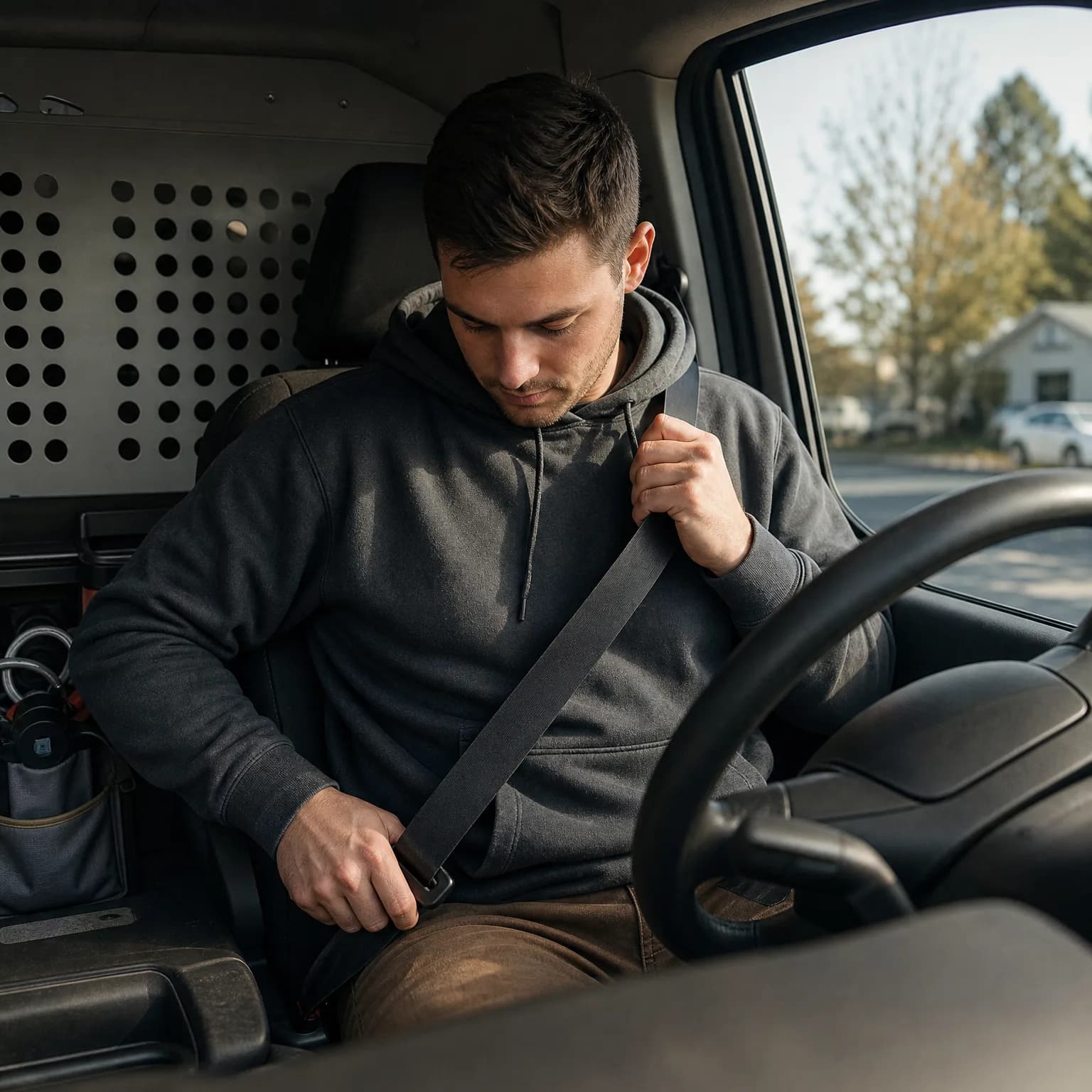
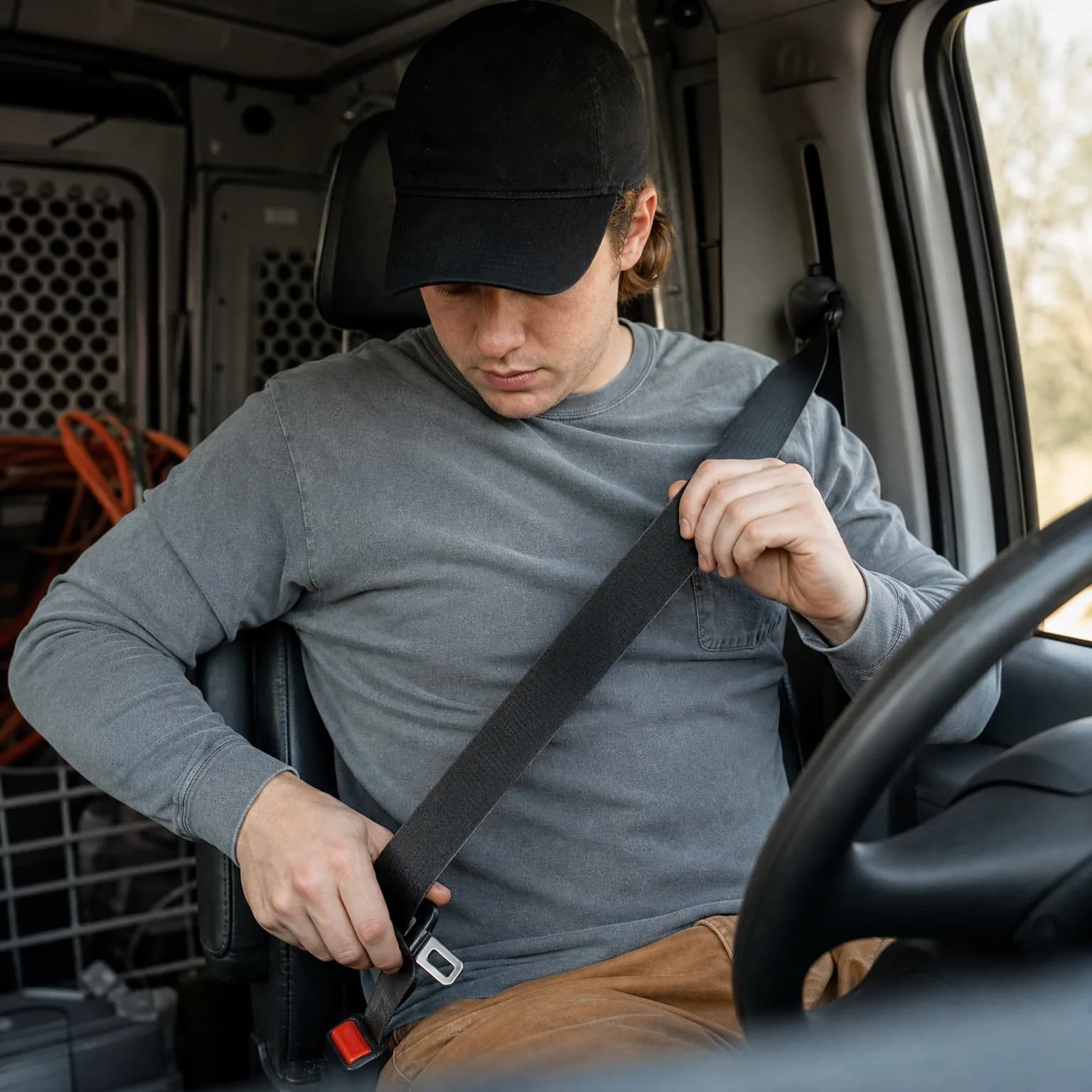
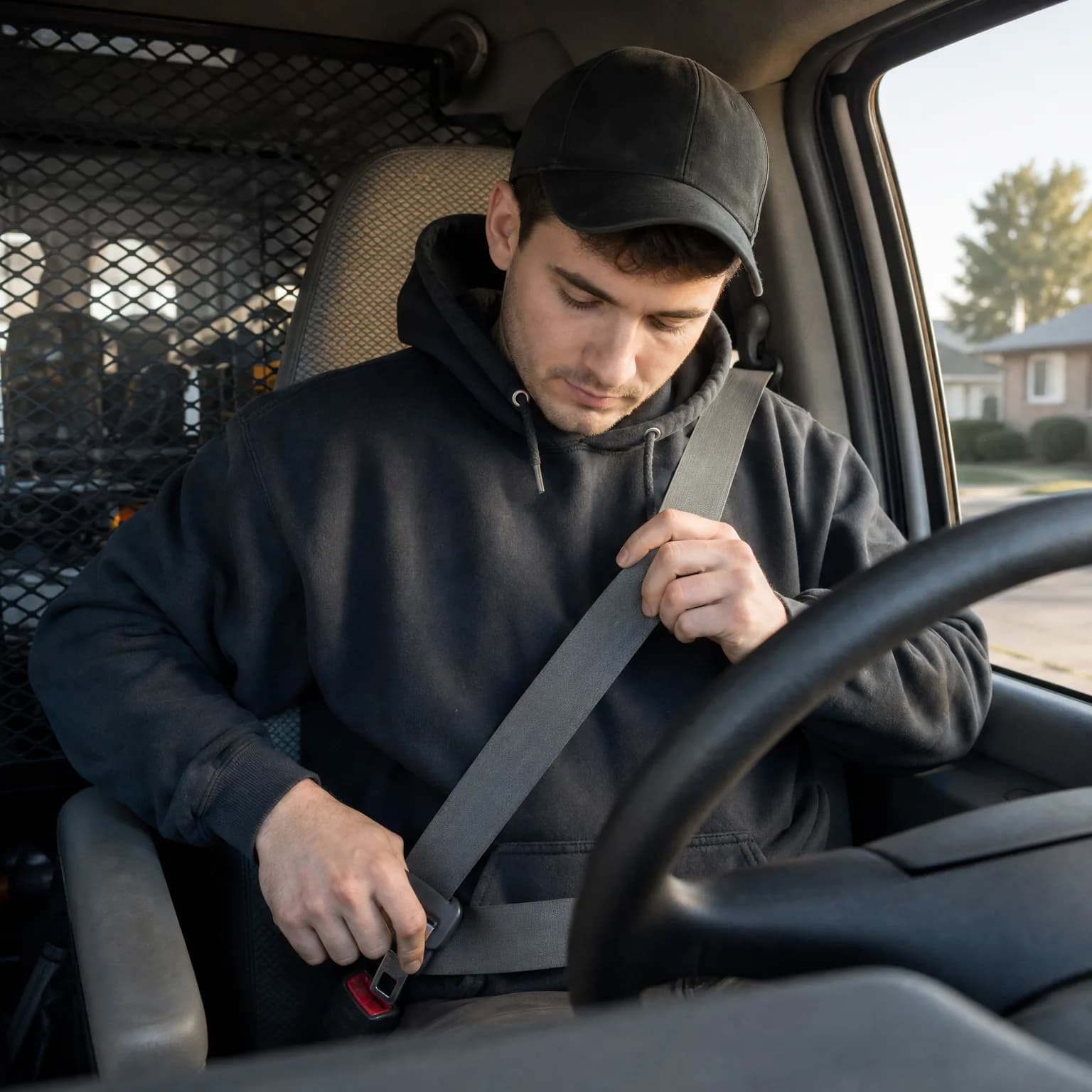
Operating a vehicle after Conditional License approval but before ignition interlock installation is legally identical to driving under suspension. Delaware treats the violation as a new suspension-triggering event. The penalty includes an additional suspension period (minimum 6 months for first violation of Conditional License terms), revocation of Conditional License eligibility, and a mandatory court appearance.
The financial consequence stacks on top of the original DUI costs. The new suspension resets your eligibility clock for reinstatement. Your SR-22 filing period does not pause during the added suspension — you continue paying elevated premiums for a license you cannot use. The ignition interlock lease continues during suspension because the device is already installed in your vehicle. You pay the monthly lease fee ($80–$120 per month) without legal driving authority.
Most drivers assume approval equals authorization because other states (Colorado, Indiana, Montana) issue restricted licenses effective immediately upon approval. Delaware's two-gate structure is a procedural outlier. The approval letter language does not explicitly warn that driving before installation is prohibited. The structural confusion produces violation charges that extend total suspension time by 12-18 months when resolution, new application processing, and new IID installation windows are counted together.
$143.75
Delaware DUI Reinstatement Fee
Delaware charges $143.75 for DUI reinstatement after the suspension period ends, separate from the Conditional License application fee. This fee applies whether you drive under Conditional License authority during suspension or wait out the full period. The fee does not reduce if you participate in the Conditional License program.
Delaware DMV reinstatement fee schedule
Non-Owner SR-22 as a Placeholder Strategy
If you do not own a vehicle, Delaware allows non-owner SR-22 insurance to satisfy the financial responsibility filing requirement for Conditional License eligibility. Non-owner policies cost $35–$65 per month, approximately half the cost of owner SR-22 policies ($85–$140 per month for DUI drivers). The non-owner policy covers liability when you drive a borrowed or rented vehicle, but it does not cover a specific vehicle you own.
The ignition interlock requirement still applies. Delaware does not waive IID for non-vehicle-owners. You must install the device in any vehicle you intend to operate under Conditional License authority, even if you do not own that vehicle. This creates a procedural mismatch: the non-owner SR-22 strategy cuts insurance costs, but you cannot drive until a vehicle-specific IID installation is complete and certified to the DMV. Most non-vehicle-owners delay installation until they secure regular access to a specific vehicle (employer vehicle, family member vehicle with written permission for IID installation).
Compare SR-22 Rates Before Filing Your Application
Delaware SR-22 premiums vary by $40–$90 per month across carriers for identical coverage and driver profiles. Non-standard carriers (Dairyland, Direct Auto, The General) quote DUI SR-22 cases in the $85–$140/month range. Standard-tier carriers (Geico, Progressive, State Farm) either decline DUI cases outright or quote $180–$250/month and reject at underwriting review.
The three-year SR-22 filing period in Delaware measures from your DUI conviction date, not your Conditional License approval date. Delaying your Conditional License application does not shorten the SR-22 obligation — it extends the total calendar time you pay elevated premiums without legal driving authority. Filing SR-22 and applying for the Conditional License immediately after conviction minimizes total out-of-pocket cost. Probationary license insurance structured around non-standard SR-22 carriers cuts monthly premiums by 35-50% compared to standard-tier quotes, and non-standard underwriters approve DUI cases without the underwriting-rejection cycle that wastes weeks.
How to Compress the Timeline Between Approval and Authorization
Schedule installation immediately after filing your Conditional License application, before approval arrives. Delaware's vendor list includes multiple providers in New Castle, Kent, and Sussex counties. Call each vendor's scheduling line and ask for the earliest available appointment. Some vendors offer walk-in installation on weekdays for an expedite fee. The fee ranges from $50 to $100 on top of the standard installation cost, but it cuts weeks off the wait.
The SR-22 insurance certificate must be filed before the DMV processes your Conditional License application. Most carriers issue the SR-22 filing electronically to the Delaware DMV within 24-48 hours of policy activation. If your carrier delays filing, your application sits unapproved until the certificate clears. Confirm electronic filing status with your carrier before submitting the DMV application. If the carrier cannot confirm electronic filing within two business days, switch carriers — Delaware accepts SR-22 filings from any licensed auto insurer, and non-standard carriers file faster than standard-tier underwriters who handle fewer SR-22 cases.
Get Your Free Quote
Get My Probationary License Insurance QuoteFrequently Asked Questions
Can I drive in Delaware immediately after my Conditional License is approved?
No. Delaware Conditional License approval confirms eligibility but does not authorize driving. You must install an ignition interlock device and wait for the vendor to file the installation certificate with the DMV before you are legally authorized to drive. Operating a vehicle between approval and IID certification is treated as driving under suspension.
Does Delaware require ignition interlock for first-offense DUI Conditional Licenses?
Yes. Delaware mandates ignition interlock installation for all DUI-related Conditional Licenses under 21 Del. C. § 2742, including first-offense cases. The requirement applies regardless of BAC level or whether the conviction involved aggravating factors.
How long does ignition interlock installation take in Delaware?
Installation appointments with Delaware-approved vendors typically schedule 30-45 days out during high-demand periods. Some vendors in New Castle County offer walk-in installation on weekdays for an expedite fee of $50–$100. The installation process itself takes 60-90 minutes once the appointment occurs.
What happens if I drive before my ignition interlock is installed in Delaware?
Driving after Conditional License approval but before IID installation is legally identical to driving under suspension. Delaware imposes an additional minimum 6-month suspension, revokes your Conditional License eligibility, and requires a mandatory court appearance. The new suspension resets your reinstatement timeline.
Does Delaware accept non-owner SR-22 for Conditional License applications?
Yes. Delaware allows non-owner SR-22 insurance to satisfy the financial responsibility filing requirement. Non-owner policies cost $35–$65/month, roughly half the cost of owner SR-22 policies. However, you still must install an ignition interlock device in any vehicle you intend to operate, even if you do not own that vehicle.
How much does SR-22 insurance cost for a Delaware Conditional License?
Non-standard carriers quote Delaware DUI SR-22 cases at $85–$140 per month for liability-only coverage. Standard-tier carriers either decline DUI cases or quote $180–$250/month and frequently reject at underwriting. The three-year SR-22 filing period measures from conviction date, not Conditional License approval.
Can I shorten the ignition interlock wait time in Delaware?
Yes. Schedule installation immediately after filing your Conditional License application, before approval arrives. Call multiple vendors on Delaware's approved list and compare availability — some offer walk-in installation for an expedite fee. Installing the device before approval is processed compresses the total timeline between application and legal driving authority.