
Probationary License Violations — Colorado
Free to compare
What Triggers Automatic Revocation
You received your Colorado Early Reinstatement probationary license three months ago. Yesterday, you missed a required ignition interlock device service appointment because your work schedule changed. This morning, you received a notice that your probationary license has been revoked. The violation that brought you here isn't a new DUI or even a traffic ticket — it's a procedural lapse Colorado treats as equivalent to either.
Colorado's Early Reinstatement program operates on zero-tolerance compliance terms. The two most common violations that trigger automatic revocation are missed IID service appointments (required monthly or bimonthly depending on your device provider) and driving outside your approved purposes. Both trigger the same consequence: immediate license revocation and a mandatory DMV hearing before you can drive again. The revocation notice arrives within 5-10 business days of the violation, and your window to request a hearing is 10 days from the notice date.
“Colorado treats a missed IID service appointment as procedurally identical to a failed breath test — both trigger automatic revocation without warning.”

Find Coverage for a Probationary License
Get My Probationary License Insurance Quote10 days
Colorado Hearing Request Window
Colorado DMV requires the hearing request within 10 days of the revocation notice date, not the violation date. Miss this window and you forfeit the hearing — reinstatement then requires restarting the full Early Reinstatement application process from the beginning, including new SR-22 filing and payment of all fees again.
Colorado DMV reinstatement procedures, C.R.S. § 42-2-132.5
The Structural Reality Colorado Doesn't Explain
Colorado Early Reinstatement is not a license restoration — it's a conditional driving privilege administered through continuous monitoring. The state frames it as early reinstatement, which implies you got your license back. You didn't. What you received is permission to drive under restriction as long as you maintain perfect compliance with three simultaneous conditions: ignition interlock device installation and service, SR-22 insurance filing without lapse, and driving only for approved purposes (typically home, work, school, medical appointments, and court-ordered programs).
The confusion happens because Colorado doesn't distinguish violation severity in its revocation process. A missed IID service appointment is procedurally identical to driving outside your approved route, which is procedurally identical to a failed breath test. All three trigger automatic revocation. The DMV reinstatement hearing does not evaluate the nature of the violation — it evaluates whether you violated the terms of your conditional privilege. The answer is binary: you either complied or you didn't.
This matters because most drivers assume minor procedural violations trigger warnings before revocation. Colorado does not issue warnings. The IID service lapse example is instructive: your device provider reports the missed appointment to the DMV electronically within 48 hours. DMV processes the report and issues a revocation notice. No phone call. No grace period. No chance to reschedule the appointment retroactively. The revocation is effective the date the notice is mailed, and you must stop driving immediately unless you request a hearing within the 10-day window.
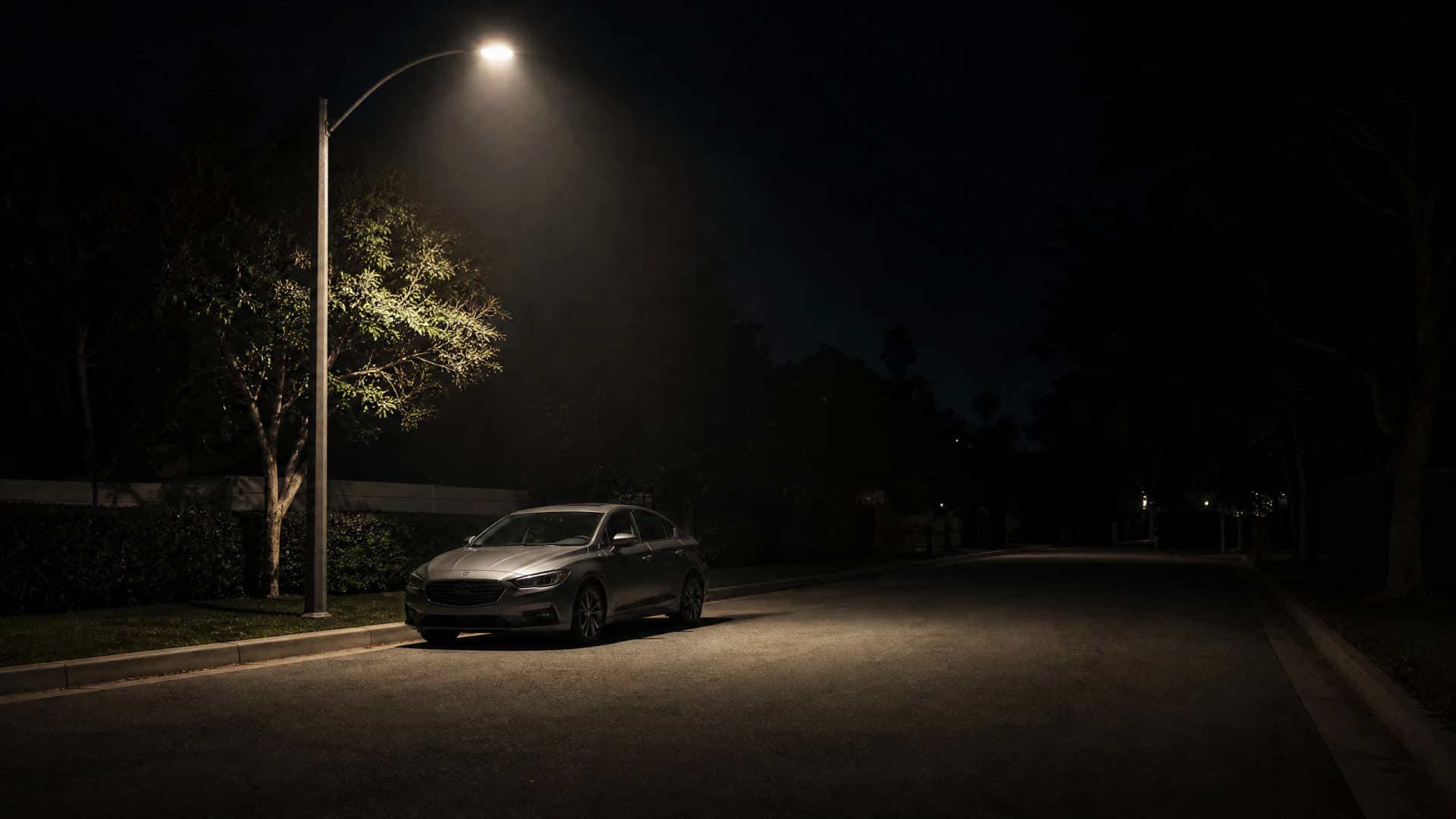
Colorado probationary license revocation is automatic — the DMV does not evaluate the reason for the violation before revoking, only whether the violation occurred.
Related Articles
Colorado Probationary License SR-22 Filing
5/30/2026
Colorado Probationary License Insurance
5/30/2026

Colorado Probationary License While Suspended
5/30/2026

Colorado Probationary License Eligibility
5/30/2026
CO Early Reinstatement Eligibility Rules
6/1/2026

Colorado SR-22 Probationary License Cost
5/30/2026

The Path Forward After Revocation
If your hearing request arrives within the 10-day window, your driving privileges remain suspended but not revoked during the hearing process. This distinction matters because suspension allows you to continue driving if you can demonstrate hardship, while revocation does not. Most drivers do not realize this — they stop driving the day they receive the notice, unaware they could have continued driving pending the hearing if they filed the request immediately.
The hearing itself typically occurs 30-45 days after your request. Colorado DMV schedules hearings by county, and Denver and Colorado Springs hearings are backlogged longer than rural counties. You may attend in person or by phone. You may bring an attorney, but the hearing is informal and most drivers do not retain counsel. The hearing officer's decision is issued within 10 business days of the hearing date. If the officer upholds the revocation, your Early Reinstatement eligibility is terminated and you must wait until your full suspension period expires before applying for standard license reinstatement.
If the officer rules in your favor or finds mitigating circumstances, you may be offered reinstatement with additional conditions. Common additional conditions include: increased IID service frequency (biweekly instead of monthly), mandatory participation in a substance abuse treatment program, or restricted driving hours (no driving after 8 PM, for example). These conditions layer on top of your original Early Reinstatement requirements and remain in effect for the remainder of your probationary period.
Failure modes to avoid: missing the 10-day hearing request window (no appeal is available — you must restart the full Early Reinstatement application). Driving during the revocation period before the hearing (new criminal offense: driving under restraint, which is a misdemeanor in Colorado and adds 1 year to your suspension). Allowing your SR-22 to lapse during the hearing period (automatic case closure — the hearing officer will not reinstate a license without active SR-22 on file).
$95
Colorado Reinstatement Fee
If the hearing officer reinstates your probationary license, Colorado DMV charges a $95 reinstatement fee before reissuing your license. This fee is separate from any IID service fees or SR-22 insurance costs. Payment is required at the time of reinstatement — DMV does not offer payment plans for this fee.
Colorado DMV fee schedule, C.R.S. § 42-2-132

SR-22 Insurance After Revocation
Your SR-22 filing does not automatically terminate when your probationary license is revoked, but your carrier may cancel your policy if they receive notice of the revocation from DMV. Colorado requires continuous SR-22 coverage during your entire probationary period, and any lapse — even during the revocation and hearing period — resets your SR-22 filing clock back to day one. This means a revocation followed by SR-22 lapse can extend your total SR-22 requirement from 3 years to 4 or 5 years depending on how long the lapse persists.
Standard-tier carriers (State Farm, Allstate, Nationwide) typically cancel policies automatically upon revocation notice. Non-standard carriers (The General, Progressive, Bristol West) are more likely to maintain coverage during the hearing period if you continue paying premiums. If your current carrier cancels, you must secure a new SR-22 policy before the hearing date or the hearing officer will not reinstate your license. Expect premium increases after revocation — carriers price the violation as a new risk event even if the hearing officer ultimately rules in your favor.
Act Within the 10-Day Window
The difference between reinstatement and restarting the full process comes down to the 10-day hearing request window. If you received a revocation notice, calculate the 10-day deadline from the notice date printed on the letter, not the date you received it. Colorado DMV counts calendar days, not business days, and the deadline is firm. File the hearing request online through Colorado's myDMV portal or mail it to the DMV address printed on the revocation notice. Online filing is faster and provides confirmation of receipt.
Before the hearing, gather documentation proving your compliance with all other probationary license conditions: IID service records showing all appointments completed on time except the one in question, SR-22 insurance declarations showing continuous coverage, and employer or school documentation verifying your approved driving purposes. If you're claiming an exception, bring medical records, vehicle repair receipts, or employer letters dated before the violation. The hearing officer will not accept verbal explanations without supporting documents. Drivers with active SR-22 coverage and clean IID records aside from the single violation have the strongest reinstatement outcomes — the hearing officer's decision hinges on whether the violation appears to be an isolated procedural lapse or part of a pattern of non-compliance.
What the Reinstatement Hearing Covers
First, did the violation occur as reported by your IID provider, insurance carrier, or law enforcement? The hearing officer reviews the electronic report from your IID device (for service lapses or failed breath tests) or the incident report from law enforcement (for route violations or new traffic offenses). You can contest the factual accuracy of the report, but the burden is on you to provide documentation proving the report is incorrect. Testimony alone is not sufficient — you need records.
Second, was the violation caused by circumstances outside your control that meet Colorado's narrow exception criteria? Colorado recognizes only three exceptions: documented medical emergency preventing you from reaching an IID service appointment, documented vehicle mechanical failure that prevented IID servicing (with proof you contacted your provider within 24 hours), and documented employer schedule change that required driving outside approved hours (with written employer verification submitted before the violation, not after). These exceptions are interpreted strictly. A work emergency that required driving outside your approved route does not qualify unless you had written pre-approval from DMV.
Get Your Free Quote
Get My Probationary License Insurance QuoteFrequently Asked Questions
Can I drive in Colorado while my probationary license revocation hearing is pending?
Only if you requested the hearing within 10 days of the revocation notice date. Filing the hearing request within that window keeps your driving privileges suspended (not revoked) during the hearing process, which allows continued driving in some cases. If you miss the 10-day window, your license is fully revoked and you cannot drive until reinstatement is granted.
Does Colorado notify my insurance carrier when my probationary license is revoked?
Yes. Colorado DMV electronically notifies your SR-22 insurance carrier of the revocation within 5 business days. Standard-tier carriers typically cancel your policy automatically upon receiving the notice, while non-standard carriers may maintain coverage if you continue paying premiums. Any SR-22 lapse during the revocation period resets your 3-year SR-22 filing requirement.
What happens if I win my Colorado probationary license revocation hearing?
The hearing officer reinstates your Early Reinstatement probationary license, but may add conditions such as increased IID service frequency or restricted driving hours. You must pay the $95 Colorado reinstatement fee before DMV reissues your license, and your SR-22 filing period continues from where it left off — the revocation period does not count toward your 3-year SR-22 requirement.
Can I appeal a Colorado probationary license revocation hearing decision?
Yes, but only through district court judicial review within 35 days of the hearing officer's written decision. The court reviews whether the hearing officer followed proper procedure and whether the decision was supported by evidence — it does not re-hear the case. Most drivers do not pursue judicial review because the standard for overturning a hearing officer's decision is narrow and legal costs typically exceed $2,000.
How long does a Colorado probationary license revocation stay on my driving record?
The revocation appears on your Colorado driving record for 7 years from the revocation date. Insurance carriers see the revocation when quoting your policy, and it affects premium pricing for 3-5 years depending on the carrier. The revocation does not disappear if you win your hearing — it remains on your record but may be annotated to show reinstatement was granted.