Probationary License Eligibility — Colorado
Free to compare
Colorado Ends the Hard Suspension Window
You expected to wait out a mandatory hard suspension period before restricted driving privileges became available. Colorado's Early Reinstatement program has no such requirement for first-offense DUI administrative suspensions. The state allows probationary driving privileges with an ignition interlock device essentially from the start of your revocation period. Most drivers wait weeks or months before applying, believing they must serve a minimum suspension period. That belief costs them months of mobility.
Colorado's administrative revocation runs 9 months for a first-offense BAC failure under Express Consent law. The court-ordered criminal revocation runs separately and may be longer. Early Reinstatement allows you to apply for IID-restricted driving immediately after the administrative suspension takes effect. The faster you enroll in an approved IID program and submit your Early Reinstatement application to the DMV, the faster you regain legal driving privileges.
“Colorado's Early Reinstatement eliminates the hard suspension wait for first DUI, but most drivers miss the window thinking they must wait out a mandatory period first.”

Find Coverage for a Probationary License
Get My Probationary License Insurance Quote0 days
First-Offense Hard Suspension Wait
Colorado does not impose a mandatory hard suspension period before Early Reinstatement eligibility begins for first-offense DUI administrative revocations. Drivers who enroll in an IID program immediately can apply for probationary privileges without waiting out a no-drive period.
C.R.S. § 42-2-132.5 (Early Reinstatement)
Who Qualifies for Colorado Early Reinstatement
Colorado grants Early Reinstatement to drivers facing administrative DUI revocation, points-based suspension, and certain other violations. The program is not restricted to first offenses. Drivers with two or more alcohol offenses are designated persistent drunk drivers under Colorado law and face a mandatory two-year IID requirement as a condition of any driving privileges during suspension. Points-based suspensions also qualify, though SR-22 filing requirements vary by the underlying cause.
DUI cases dominate the program. If your suspension stems from a BAC of 0.08 or higher under Express Consent administrative revocation, you meet the threshold. If your suspension results from refusal to submit to chemical testing, the revocation is longer — 1 year for a first refusal — but Early Reinstatement with IID remains available. Unpaid tickets and child support arrears suspensions do not qualify for Early Reinstatement; those follow separate reinstatement pathways.
Drivers who moved to Colorado mid-suspension from another state face a gray area. Colorado DMV may honor or reject out-of-state probationary licenses depending on the originating state's program structure and whether your Colorado record shows reciprocal suspension action. Call the Colorado DMV reinstatement unit directly to confirm whether your out-of-state suspension transfers and whether Early Reinstatement applies to your case.

Second or third DUI? Colorado designates you a persistent drunk driver, triggering a mandatory 2-year IID requirement before full license restoration.
Related Articles






Restriction Scope and Approved Purposes
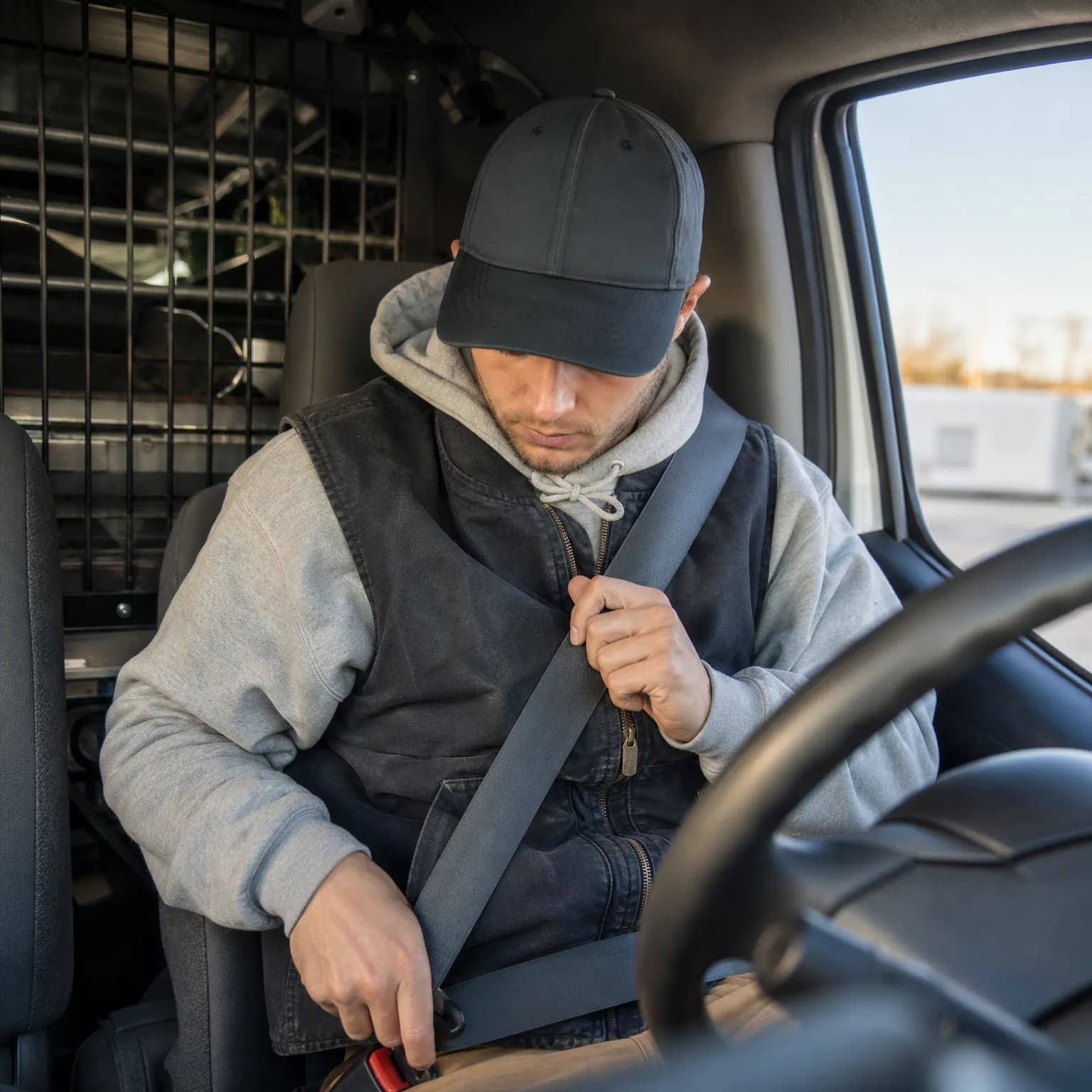
Colorado's Early Reinstatement restricts you to necessary driving only. The DMV defines necessary as home to work, home to school, home to medical appointments, and home to court-ordered programs such as DUI education classes or alcohol treatment. The restriction does not permit recreational driving, social errands, or non-essential trips. Violating the restriction terms triggers automatic revocation of your probationary license and resets your full reinstatement timeline.
The state does not impose the strict midnight curfew seen in New Jersey's Conditional License program. Colorado's restriction is purpose-based, not time-based. You may drive during any hours necessary to reach approved destinations. If your work shift runs overnight, your probationary license permits that commute. If your court-ordered DUI class meets evenings, you may drive to and from that class regardless of the hour.
Route restrictions are not explicitly defined in the statute. The DMV instructs drivers to use the most direct route to approved destinations. Detours for personal errands, stops at non-approved locations, or extended routes without justification expose you to violation charges if stopped. Law enforcement officers are trained to recognize IID-restricted plates and frequently verify that the driver's current location aligns with an approved purpose.
Violation of restriction terms is reportable by law enforcement directly to the DMV. A single verified violation cancels your Early Reinstatement and reinstates the full suspension period. The violation does not require a separate court hearing; the DMV administrative action is sufficient. You lose the probationary license, and you must wait out the remainder of the original suspension period before applying for full reinstatement. The IID requirement remains in place through the entire extended period.
$95
Colorado Reinstatement Base Fee
The $95 base fee applies to standard uninsured motorist suspensions. DUI revocations and habitual traffic offender cases may carry different fee schedules set administratively by the Colorado DMV. Verify current fees with the DMV reinstatement unit before submitting payment.
C.R.S. § 42-2-132

Insurance Costs and SR-22 Filing Duration
Colorado requires SR-22 filing for 3 years following insurance-related suspensions and DUI revocations. The 3-year period begins on the date the SR-22 is filed with the DMV, not the date of conviction or the date of suspension. A lapse in SR-22 coverage during the required period triggers a new suspension, and the 3-year clock resets from the date you refile.
Monthly premiums for SR-22 coverage in Colorado after a DUI typically range from $140 to $280 per month depending on age, county, vehicle, and driving history. The SR-22 filing fee itself is $15 to $50 depending on the carrier. IID costs add another layer: installation runs $75 to $150, and monthly monitoring fees run $60 to $90. Over the mandatory IID period, total out-of-pocket costs for insurance, IID, and reinstatement fees commonly exceed $8,000 for a first-offense DUI case. Estimates based on available industry data; individual results vary.
Compare Colorado Carriers and File Your SR-22
Early Reinstatement only works if you maintain continuous SR-22 coverage from an approved Colorado carrier. A single day of lapse cancels your probationary license and reinstates the full suspension. Carriers writing SR-22 in Colorado include State Farm, GEICO, Progressive, National General, Dairyland, Bristol West, The General, Infinity, and USAA. Not all carriers write all risk profiles; DUI cases with additional violations or lapses narrow your options quickly.
Start by comparing quotes from at least three carriers. Monthly premium spreads of $80 to $120 between the highest and lowest quotes are common for the same driver and vehicle. Use the site's comparison tool to pull quotes from carriers licensed in your county. Select coverage that meets Colorado's minimum liability limits — $25,000 bodily injury per person, $50,000 bodily injury per accident, and $15,000 property damage — and confirm the carrier files SR-22 electronically with the Colorado DMV the same day you bind coverage.
Application Path and Required Documentation
You must submit proof of SR-22 insurance from an approved carrier licensed in Colorado. The SR-22 filing must be active and current at the time of application; a lapsed SR-22 disqualifies you. You must also submit proof of ignition interlock device installation from a state-approved vendor. Colorado maintains a list of approved IID vendors on the DMV website. Installation from a non-approved vendor will delay or deny your application. If your suspension is DUI-related, the IID proof is non-negotiable. Points-based suspensions may not require IID depending on the underlying violation — verify with the DMV reinstatement unit before paying for installation.
The application itself is a DMV form accompanied by a $95 reinstatement fee. The fee applies to standard uninsured motorist suspensions; DUI and habitual traffic offender cases may carry different fee schedules set administratively. Processing time is not published with confidence by the state, but typical administrative processing runs 7 to 14 business days once all documentation is received. Incomplete applications reset the clock. Employer or school documentation may be required depending on the restriction type you request, though Colorado's default Early Reinstatement allows necessary driving for work, school, medical appointments, and court-ordered programs without requiring upfront employer verification.
Get Your Free Quote
Get My Probationary License Insurance QuoteFrequently Asked Questions
How long does Colorado Early Reinstatement take to process?
Colorado DMV processes Early Reinstatement applications in approximately 7 to 14 business days once all required documentation is received. Incomplete applications reset the processing clock. The state does not publish a guaranteed processing window, and DUI cases involving additional violations or out-of-state reciprocal actions may take longer.
Can I get Early Reinstatement in Colorado after a second DUI?
Yes, but Colorado designates drivers with two or more alcohol offenses as persistent drunk drivers under state law. You face a mandatory 2-year ignition interlock device requirement as a condition of any driving privileges during suspension. Early Reinstatement is available, but the IID period is longer and non-negotiable.
Does Colorado require SR-22 for Early Reinstatement?
Yes, for DUI-related revocations and insurance-related suspensions. You must submit proof of active SR-22 filing from a Colorado-licensed carrier at the time of application. The SR-22 requirement typically lasts 3 years from the filing date. Points-based suspensions may not require SR-22 depending on the underlying violation.
What happens if I violate my Colorado probationary license restrictions?
A single verified restriction violation cancels your Early Reinstatement immediately. The DMV reinstates the full suspension period, and you lose probationary driving privileges. Law enforcement reports violations directly to the DMV; no separate court hearing is required. You must wait out the remainder of the original suspension before applying for full reinstatement.
Can I drive for work at night with Colorado Early Reinstatement?
Yes. Colorado's restriction is purpose-based, not time-based. You may drive during any hours necessary to reach approved destinations such as work, school, medical appointments, or court-ordered programs. If your work shift runs overnight, your probationary license permits that commute.
How much does ignition interlock cost in Colorado?
Installation typically runs $75 to $150, and monthly monitoring fees run $60 to $90. Over a mandatory 1-year IID period for first-offense DUI, total IID costs range from $795 to $1,230. Second or third offenses trigger a 2-year mandatory IID period, doubling those costs.